
Car Prices in Rwanda: A Complete Guide for New and Used Buyers
DATE: December 10, 2025
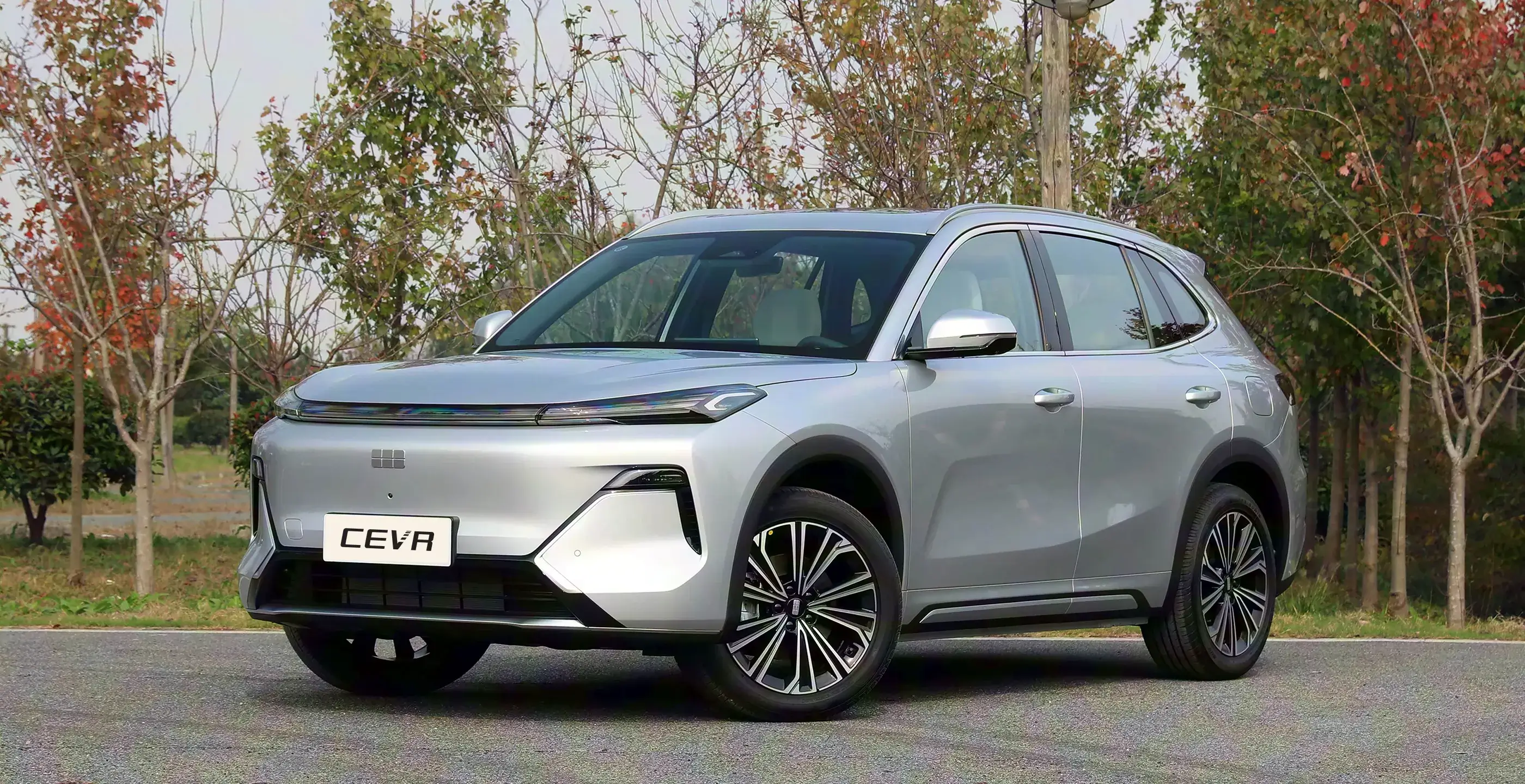
Car Prices in Rwanda: A Complete Guide for New and Used Buyers
Understanding car prices in Rwanda is essential for anyone planning to buy a new or used vehicle in 2025. As demand grows for reliable, fuel-efficient, and affordable cars, Rwandan buyers are increasingly comparing model prices, import costs, fuel economy, financing options, and dealership benefits to make the best decision.
Buying a brand-new car in Rwanda often appeals to drivers who value manufacturer warranties, genuine spare parts, low maintenance, and professional after-sales service. Authorized dealerships usually publish transparent pricing, allowing customers to compare sedans, SUVs, hybrids, and electric cars based on features and long-term ownership costs. While new cars may have a higher upfront price, they offer stronger reliability and better resale value.
On the other hand, used cars in Rwanda remain popular due to their lower purchase price. Imported used vehicles—especially from Japan, China, and Europe—dominate the second-hand market. However, buyers must consider potential hidden costs such as maintenance, spare parts, mileage wear, and inspection fees. Choosing reputable sellers or certified pre-owned vehicles helps reduce risks.
Taxes and import duties significantly influence vehicle pricing. Rwanda applies customs duties, VAT, and environmental taxes, which vary depending on engine size, fuel type, and vehicle age. In recent years to date, hybrid cars and electric vehicles often benefit from more favorable tax structures such as zero-rated VAT and excise duty exemption, making them increasingly competitive.
Many Rwandans also explore auto loans and vehicle financing to manage car payments. Banks and microfinance institutions offer tailored car loan packages, helping customers purchase new cars with manageable monthly installments. Buyers frequently compare interest rates, down-payment requirements, and loan terms before committing.
When evaluating car prices, it’s important to consider long-term expenses: fuel consumption, servicing, insurance, and spare parts availability. A car with a lower initial price isn’t always the most economical—fuel efficiency and maintenance costs play a major role in overall affordability.
With more dealerships, new models, and improved financing options entering the market, the Rwanda car price landscape is becoming more competitive and transparent. Whether choosing a new or used vehicle, informed buyers now have more tools than ever to find a car that fits their budget and driving needs.